Behind the Scenes of Modern Water Innovation at Creek Pipe Company
Wiki Article
A Comprehensive Overview to Recognizing Pipes and Their Function in Building and construction
Pipes are important parts in building, serving crucial functions in gas, waste, and water administration. Their option and application can greatly affect a structure's efficiency and safety and security. Numerous materials, such as PVC, copper, and PEX, supply unique benefits suited to particular needs (Creek Pipe Company). Comprehending these factors is essential for any type of construction project. As one discovers the details of pipelines, the implications for conformity and public health and wellness become progressively noticeableThe Value of Pipes in Building and construction
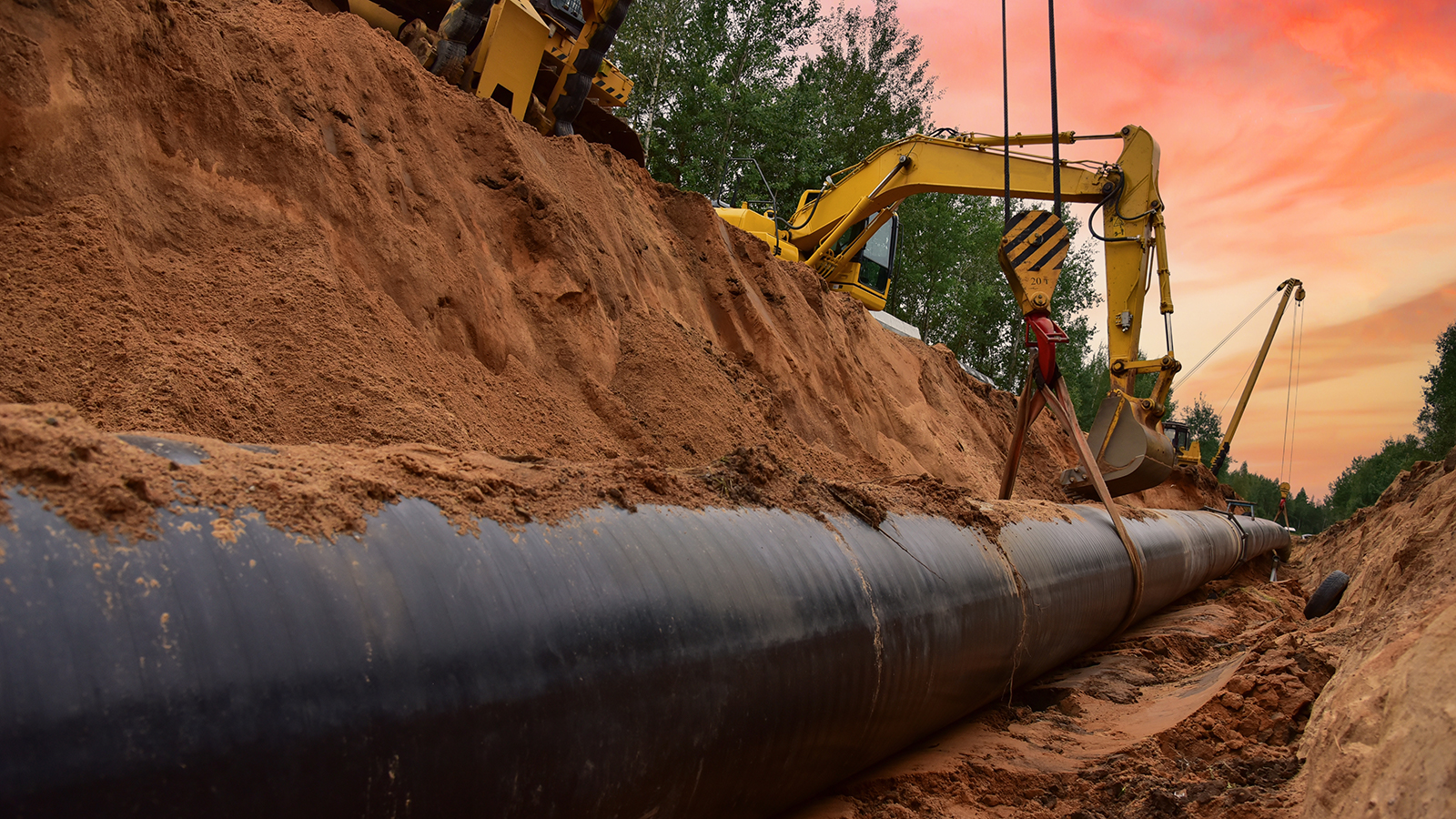
Pipes act as necessary conduits in building, helping with the activity of water, gas, and waste throughout buildings and facilities. Their function expands past mere transport; they are vital for making certain the performance and safety and security of business and household settings. Effectively set up pipelines add to the efficient circulation of resources, enabling daily tasks such as bathing, cooking, and home heating. Additionally, pipelines play a pivotal duty in waste monitoring, ensuring that sewage and wastewater are effectively gotten rid of from living spaces.The significance of pipelines is additionally mirrored in their influence on public wellness. Faulty or inadequate piping systems can cause contamination and unsafe conditions, making high quality products and installment methods crucial. In addition, pipes must follow various building regulations and policies, which are developed to shield both residents and the environment. As a result, the value of pipelines in building encompasses both practical functionality and essential health factors to consider.Sorts Of Piping Utilized in Building Projects
Different sorts of pipelines play a substantial duty in structure tasks, each made to satisfy specific needs and applications. Amongst the most typically utilized pipeline kinds are PVC, which is immune and light-weight to deterioration, making it excellent for drainage and air vent systems. CPVC pipelines, comparable to PVC, can hold up against greater temperatures, commonly made use of in hot water systems. Copper pipelines are understood for their sturdiness and integrity, regularly utilized in plumbing and home heating applications. Galvanized steel pipelines, while much less usual today, were as soon as a standard for water supply lines due to their stamina. Furthermore, PEX (cross-linked polyethylene) pipes are getting popularity for household pipes due to their adaptability and resistance to scaling and chlorine. Cast iron pipelines are preferred for their sound-dampening residential or commercial properties, typically made use of in waste and dirt systems. Each pipeline kind offers unique features, ensuring reliable procedure in building and construction jobs.Usual Products for Pipeline and Their Characteristic
In building and construction, the selection of pipe materials is essential for ensuring toughness and functionality. Metal pipelines provide toughness and resistance to high pressures, while plastic pipes give light-weight and corrosion-resistant choices. Composite pipelines incorporate the advantages of both materials, making them flexible choices for numerous applications.Steel Pipe Options
Metal pipes are integral parts in construction, providing a series of options that satisfy ecological problems and different applications. The most typical materials include steel, copper, and cast iron. Steel pipelines are known for their strength and sturdiness, making them suitable for high-pressure applications. Copper pipes are favored for their corrosion resistance and antimicrobial properties, typically made use of in plumbing systems. Cast iron pipelines provide exceptional audio insulation and are perfect for waste and water drainage systems. Each steel type has unique advantages; for instance, galvanized steel can withstand rust, while stainless-steel uses premium corrosion resistance. Choosing the proper steel pipeline relies on variables such as cost, environmental exposure, and the details requirements of the building and construction project.
Plastic Pipeline Advantages
Plastic pipelines have actually acquired popularity in construction as a result of their lightweight nature and flexibility. These pipes, made from products such as PVC, CPVC, and PE, deal outstanding resistance to corrosion and chemical damage, making them suitable for different applications. Their convenience of setup more enhances their appeal, as they can be reduced and signed up with without special tools. Furthermore, plastic pipelines are usually more affordable compared to steel options, adding to reduced general project expenses. Their smooth interior surface areas lower rubbing and boost flow prices, while insulation residential or commercial properties assist keep temperature control in plumbing systems - Creek Pipe Midland. With a variety of setups and dimensions offered, plastic pipes successfully fulfill the visit varied requirements of modern building and construction tasksComposite Pipe Characteristics
Compound pipes combine numerous products to utilize their private staminas, resulting in boosted efficiency and resilience. Normally, these pipelines are composed of layers that might include ceramics, plastics, and metals, each contributing distinct residential properties. As an example, the inner layer might be made from a corrosion-resistant product, while the external layer provides toughness and effect resistance. This mix allows composite pipelines to hold up against extreme temperatures and pressures, making them suitable for a broad array of applications, consisting of water and commercial processes. In addition, composite pipelines are commonly lighter than typical materials, promoting much easier handling and setup. Their flexibility and adaptability to different atmospheres make them a recommended selection in modern-day construction jobs, guaranteeing longevity and efficiency in liquid transport systems.Applications of Pipes in Pipes Equipments
Electrical Avenues: The Duty of Pipeline in Electrical wiring
In modern-day construction, electric channels play a necessary role in guaranteeing the risk-free and effective directing of electrical wiring throughout buildings. These pipes supply a protective path for electric cords, securing them from physical damages and environmental aspects. Various materials, such as PVC, metal, and versatile channels, are made use of relying on the specific needs of the installation.Furthermore, avenues assist in organizing wiring systems, minimizing the risk of electric hazards like brief circuits or fires. They additionally promote less complicated maintenance and upgrades, as wires can be accessed and changed without substantial disruption to the structure.Proper setup of electric channels is important for compliance with building ordinance and safety guidelines. This structured method not just boosts the durability of the electric system however additionally adds to the overall security and capability of the structure, making electric avenues indispensable in modern construction methods.Selecting the Right Pipeline for Your Job
Just how can one guarantee the ideal pipe selection for a building and construction task? The choice procedure starts with comprehending the particular requirements of the task, including the sort of liquids being moved, pressure rankings, and environmental conditions. Material choices, such as PVC, steel, and copper, should be assessed based on toughness, deterioration resistance, and thermal properties.Next, one should consider the pipeline's size and circulation capacity to determine efficient operation. Regulatory standards and codes need to likewise be stuck to, as they determine the appropriate materials and techniques for specific applications. Consulting with professionals and making use of extensive resources can even more help in making educated decisions.Finally, examining the cost-effectiveness of various choices is essential, stabilizing first expenses with long-lasting upkeep and replacement prices - Creek Pipe Company LLC. By meticulously evaluating these aspects, one can with confidence pick the most appropriate pipe for their building and construction job, guaranteeing both performance and conformity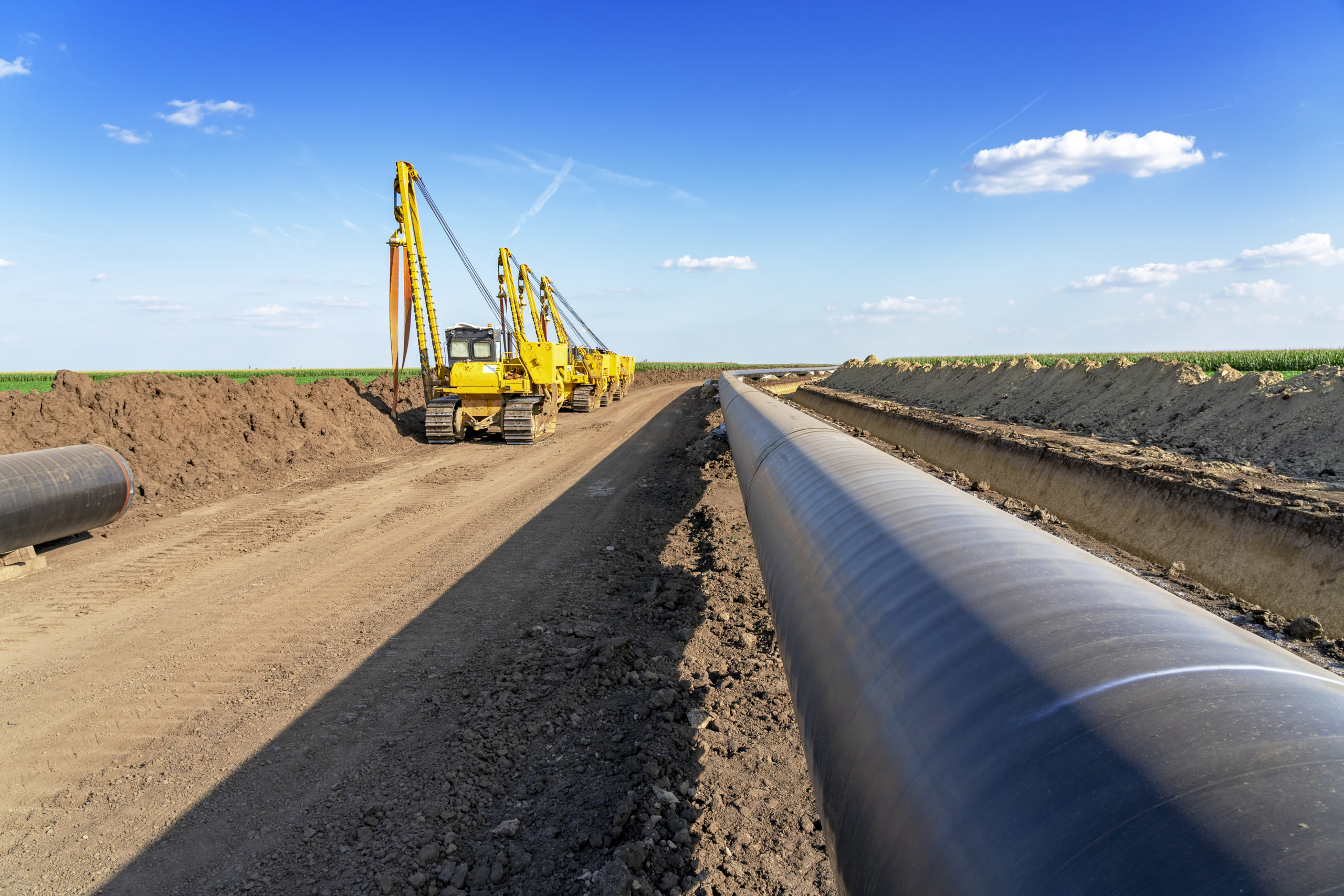
Maintenance and Examination of Pipes in Building
Proper choice of pipelines sets the foundation for their lasting efficiency, making upkeep and examination vital parts in building. Routine maintenance warranties that any possible problems, such as leakages, corrosion, or clogs, are identified and dealt with quickly, lessening costly repairs and project hold-ups. Arranged assessments, including visual analyses and stress examinations, play a necessary function in assessing the stability of pipe systems.Additionally, checking ecological variables, such as temperature level changes and dirt problems, can help prepare for deterioration. Utilizing advanced technologies, such as CCTV for interior inspections, can boost the efficiency of maintenance initiatives. It is essential to document inspection findings and maintenance tasks to establish a detailed history of the pipeline systems. By prioritizing maintenance and evaluation, construction experts can prolong the life expectancy of their piping systems, guaranteeing they operate effectively and dependably throughout the job's duration.Frequently Asked Inquiries
Just How Do Pipes Affect Power Efficiency in Structures?
Pipes significantly influence power effectiveness in structures by controling heating and cooling systems. Appropriate insulation and materials decrease energy loss, while reliable plumbing designs reduce water usage, eventually bring about lower energy usage and functional costs.What Regulations Govern Pipeline Setup in Construction?
Regulations controling pipe setup in building generally consist of nationwide and neighborhood building ordinance, pipes codes, and security criteria. These warranty compliance with architectural stability, product specs, and wellness demands, advertising security and performance in building and construction methods.Can Pipes Be Recycled After Usage?
The concern of pipe recyclability is considerable. Numerous materials, such as metal and particular plastics, can be reused successfully. The problem and kind of pipeline influence reusing usefulness, requiring proper evaluation before disposal.
How Do Weather Impact Pipeline Performance?
Climate conditions considerably affect pipe performance. Extreme temperatures can trigger development or tightening, while dampness might cause corrosion. In addition, heavy rainfall can increase soil pressure, impacting stability Visit Your URL and overall performance of the piping system.What Are the Indications of Pipe Failing to Expect?
Signs of pipeline failing consist of leaks, uncommon noises, discoloration of water, lowered water stress, and visible rust. Regular evaluations can help spot these concerns early, making certain and preventing costly repairs system capability in the long-term. Pipelines play a pivotal duty in waste management, making sure that sewer and wastewater are efficiently eliminated from living spaces.The relevance of pipes is additionally mirrored in their effect on public wellness. In building and construction, the choice of pipeline materials is vital for making sure toughness and performance. Steel pipelines use toughness and resistance to high stress, while plastic pipes give lightweight and corrosion-resistant options. Additionally, pipes are utilized to get rid of wastewater, linking bathrooms, sinks, and drains to metropolitan sewer systems or septic tanks.Different types of pipelines, such as PVC, copper, and PEX, are picked based on elements like toughness, cost, and particular application needs. How can one ensure the best pipeline option for a building and construction job?Report this wiki page